What Are Bulletproof Vests Made Of?
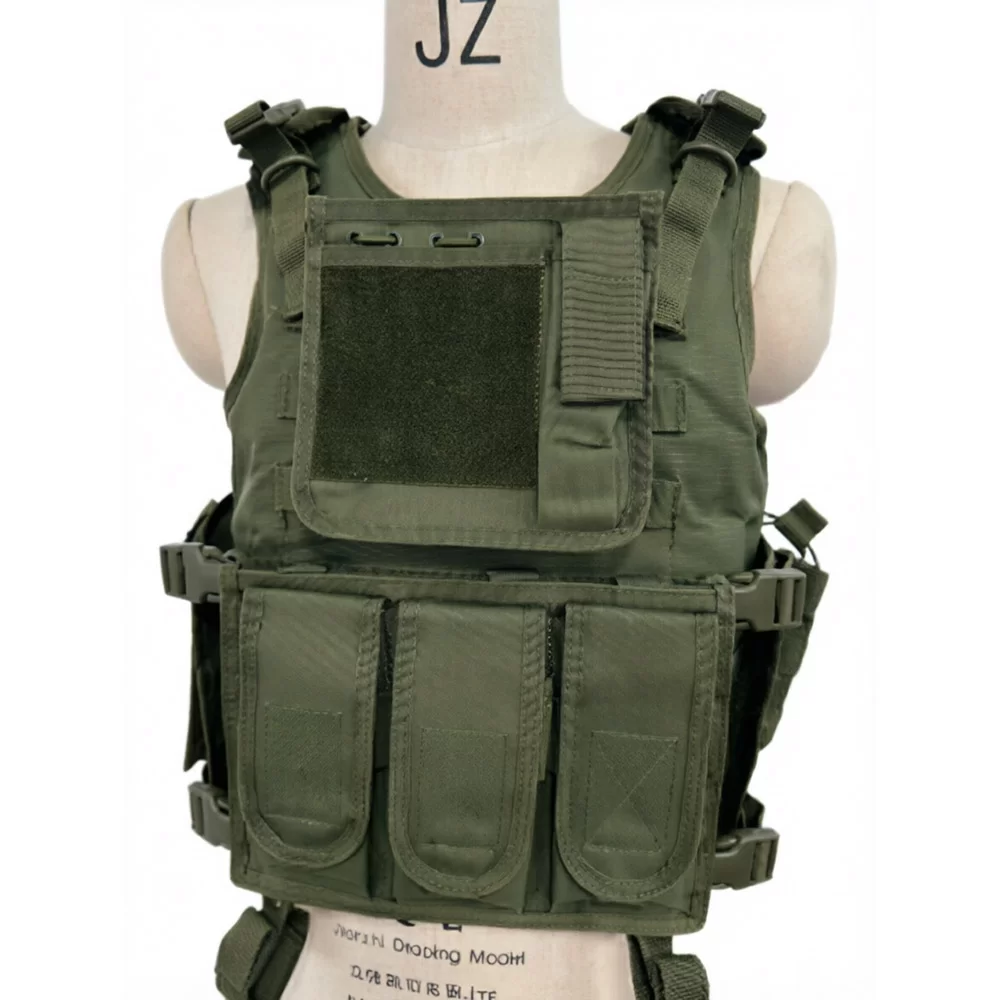
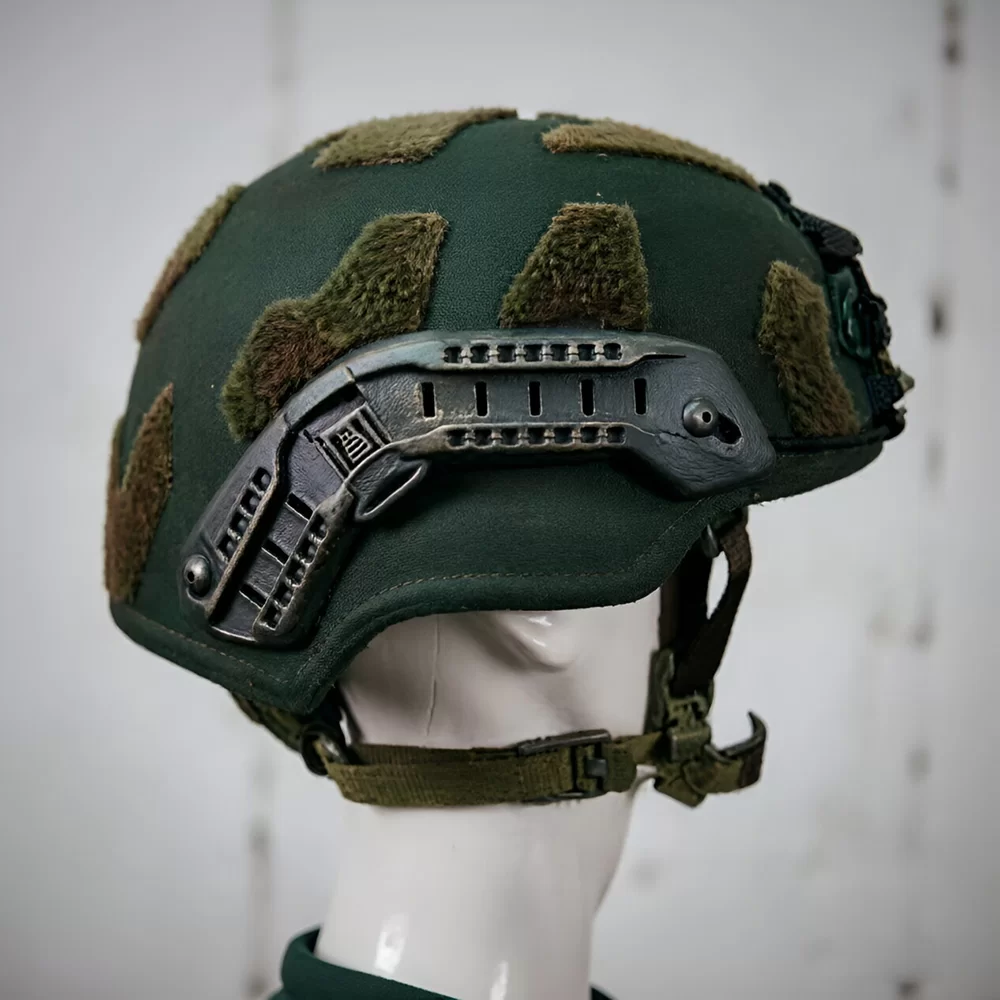
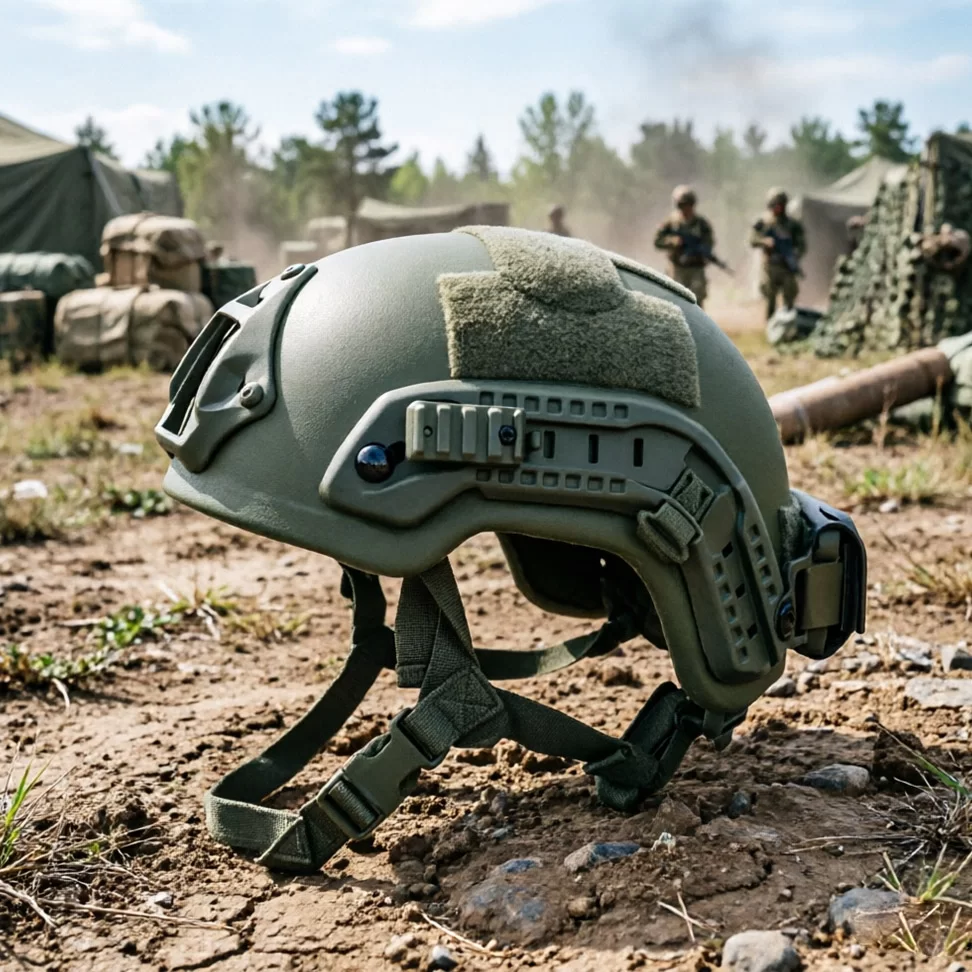
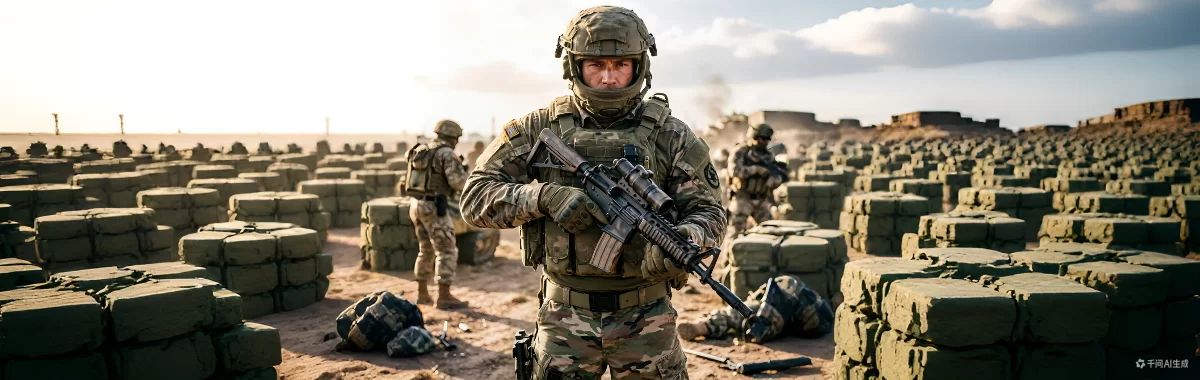
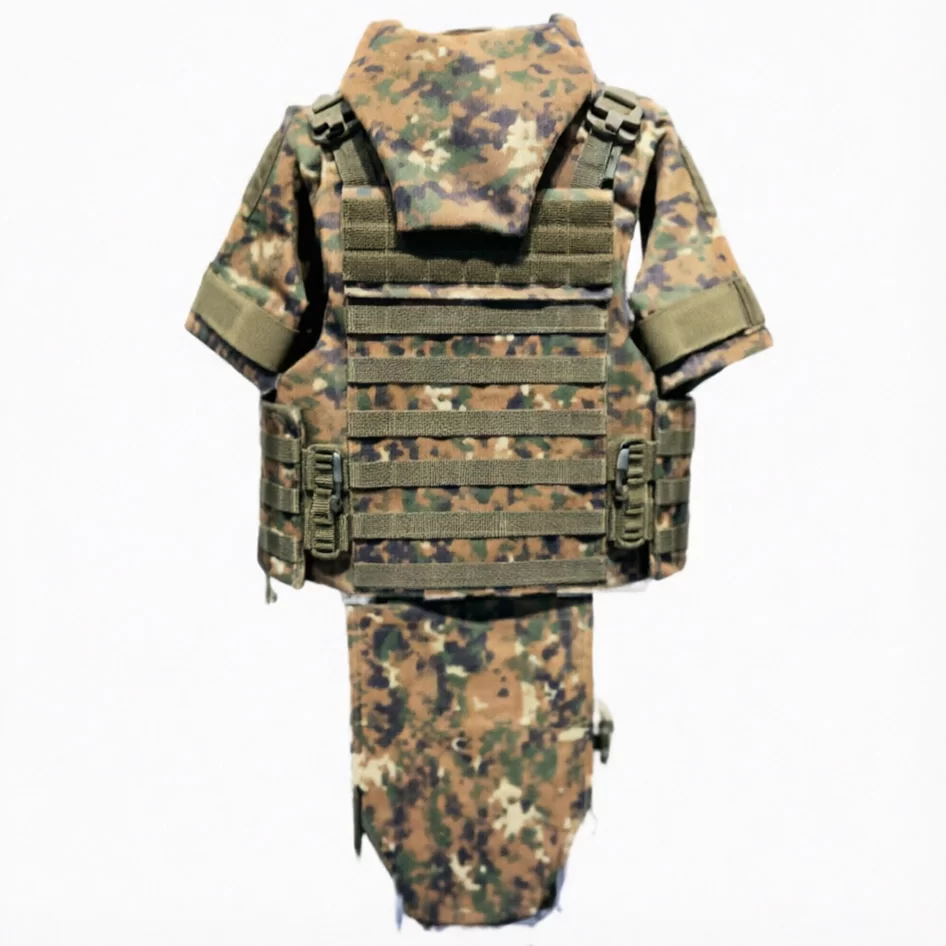
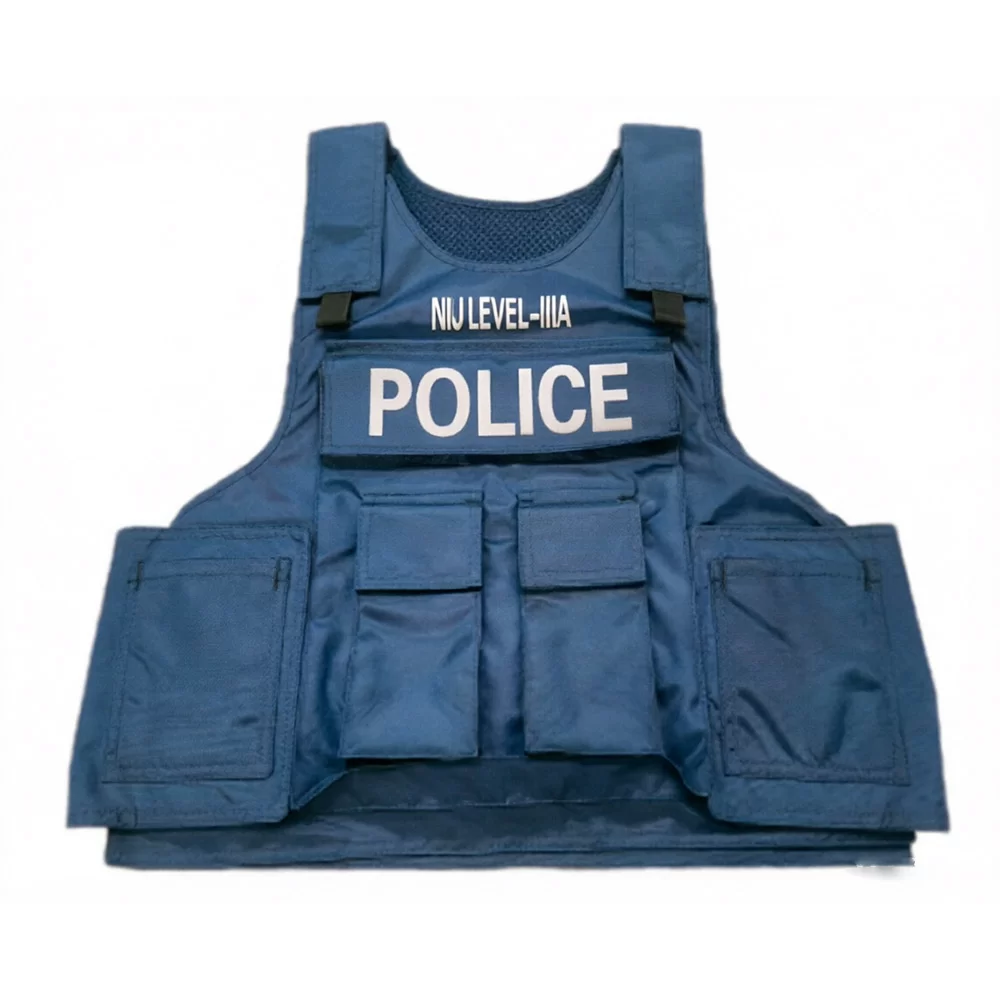
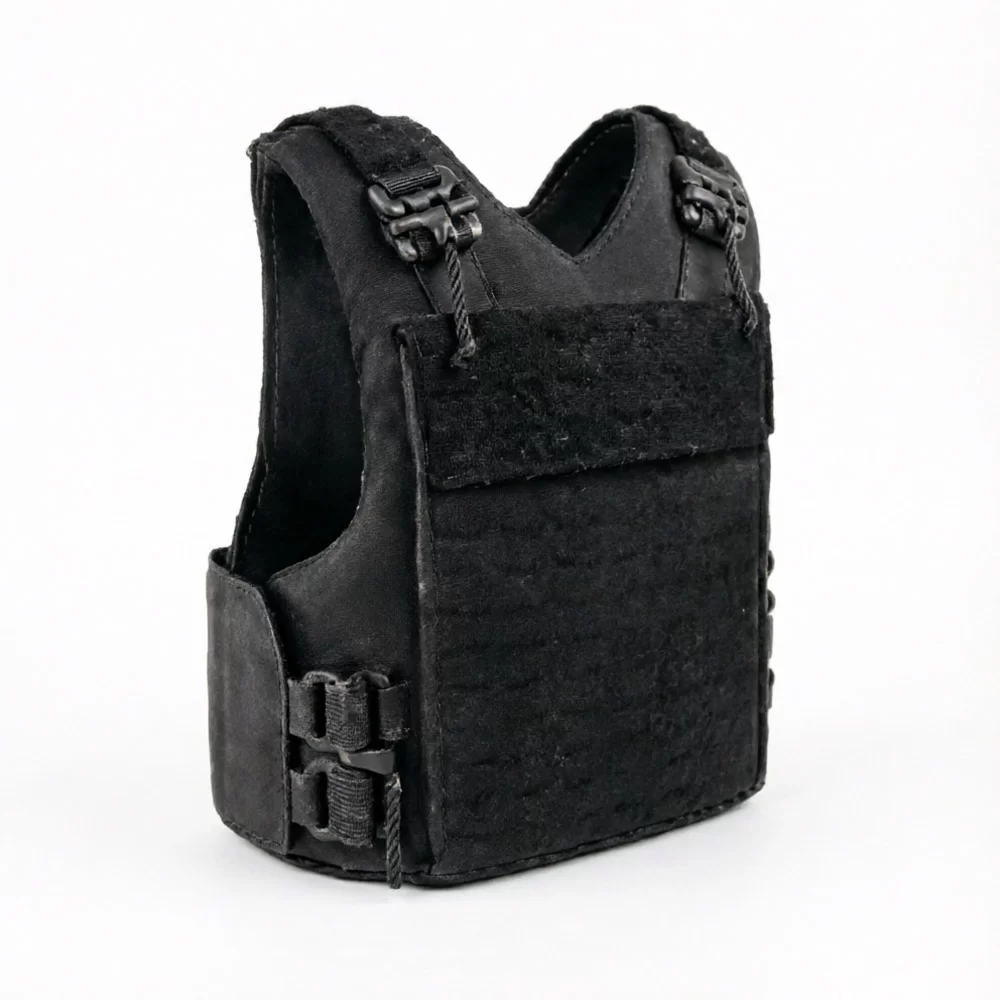
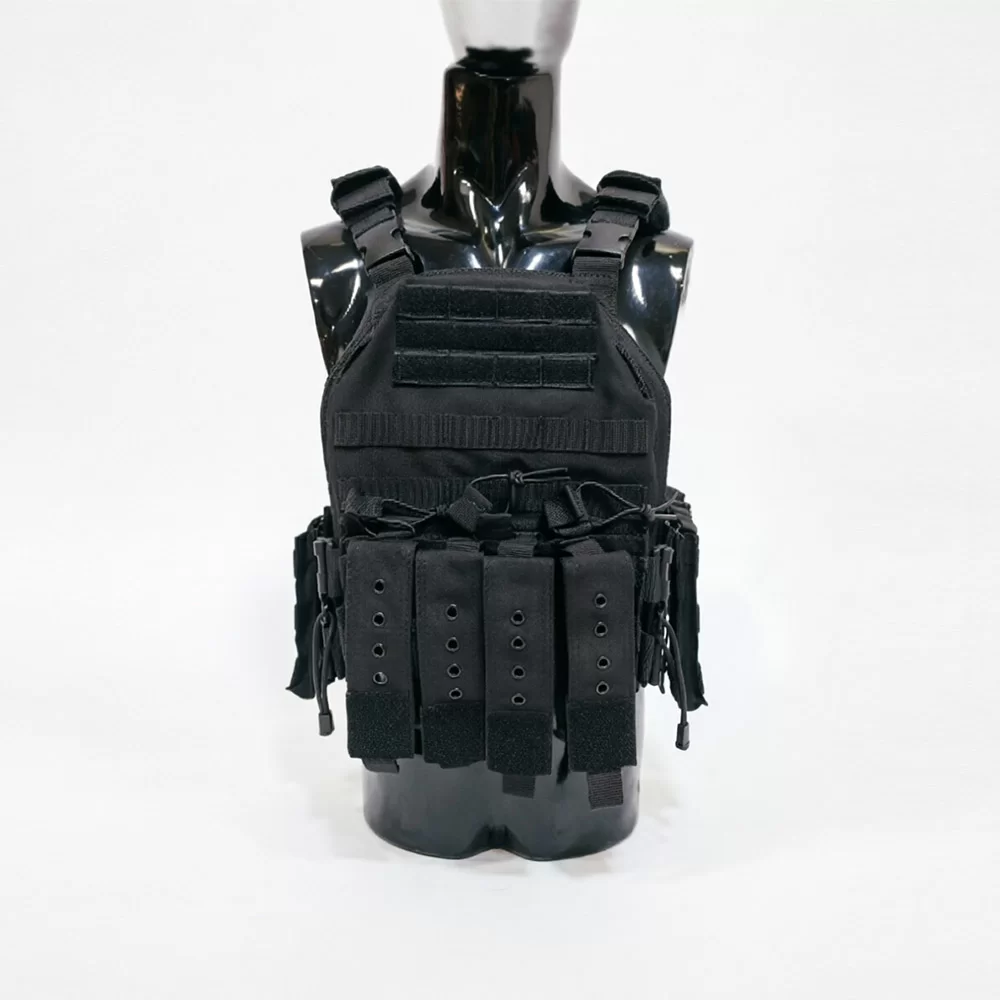
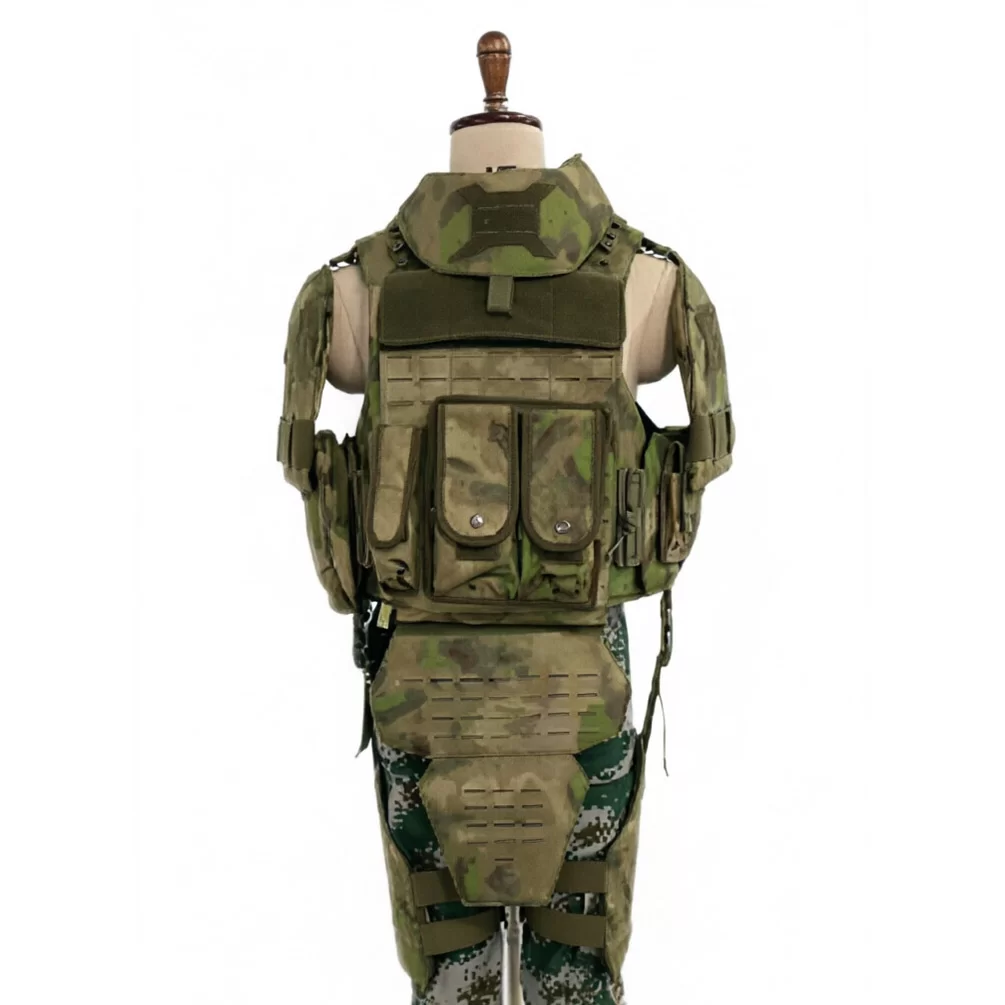
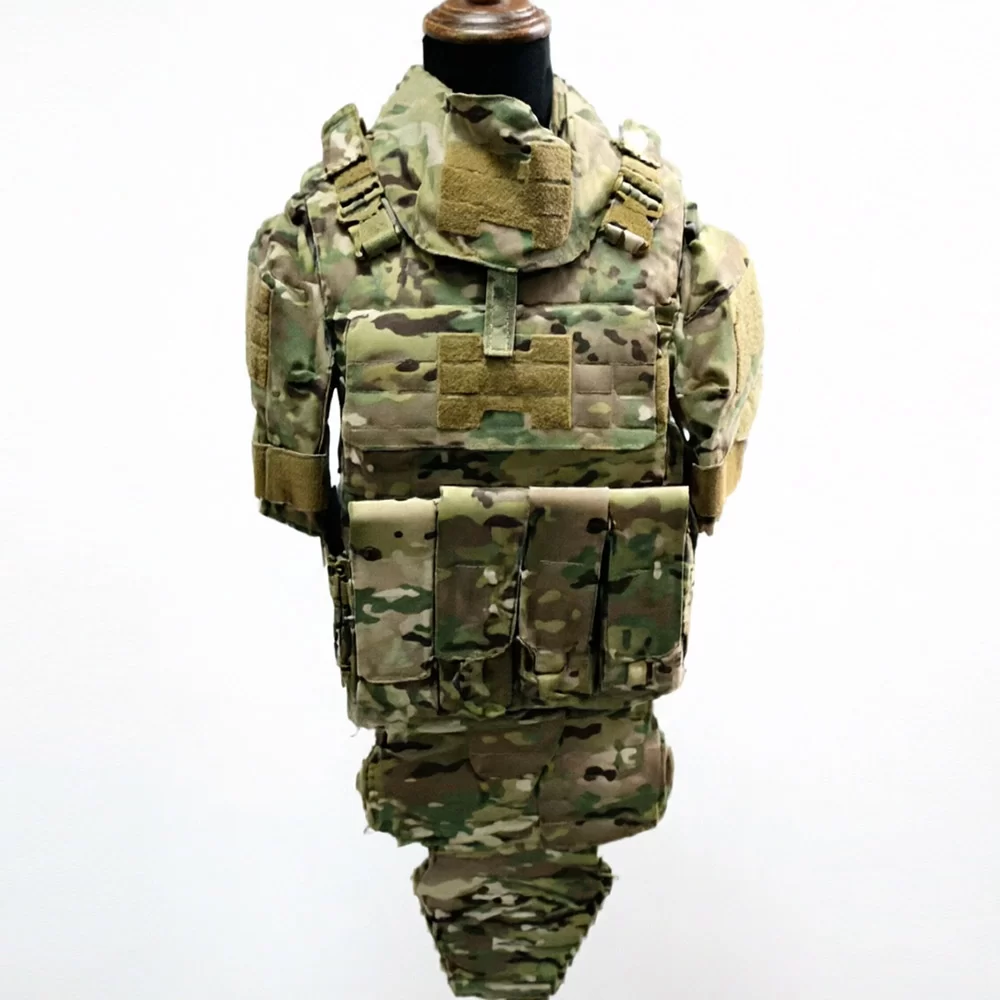
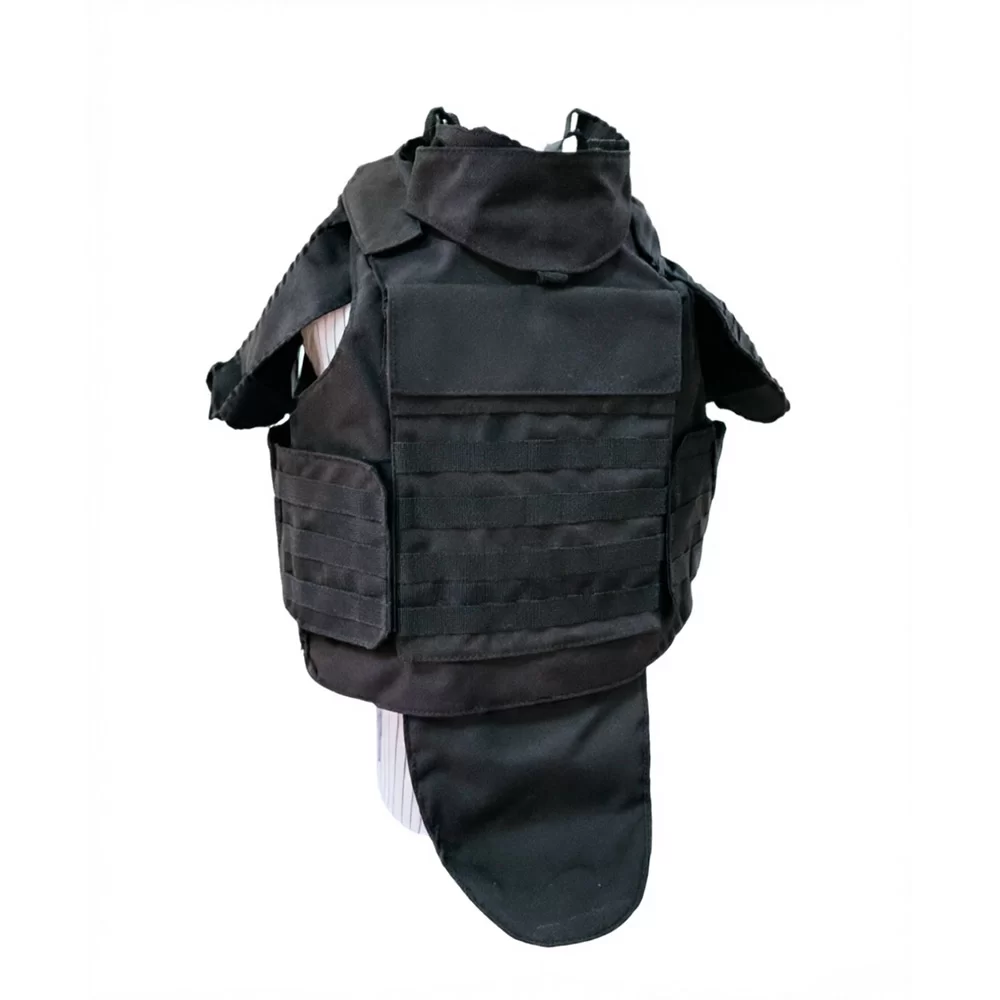
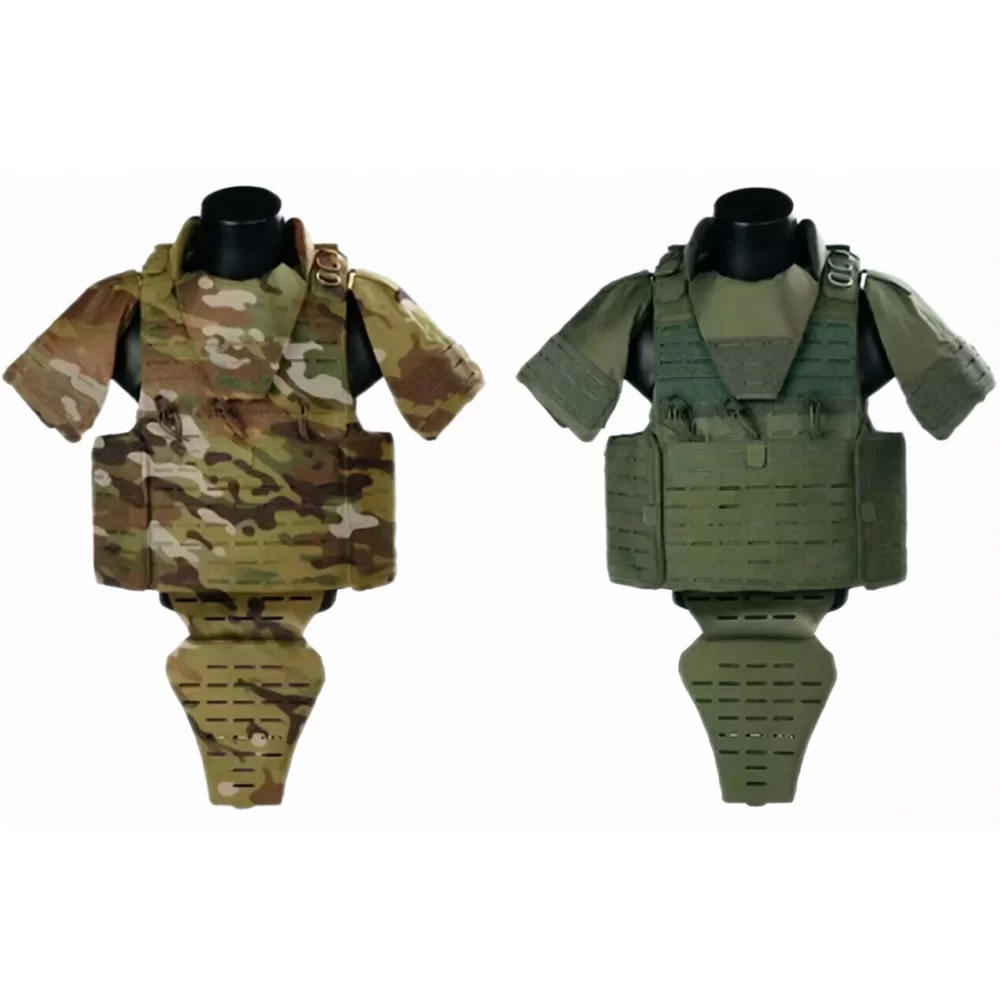
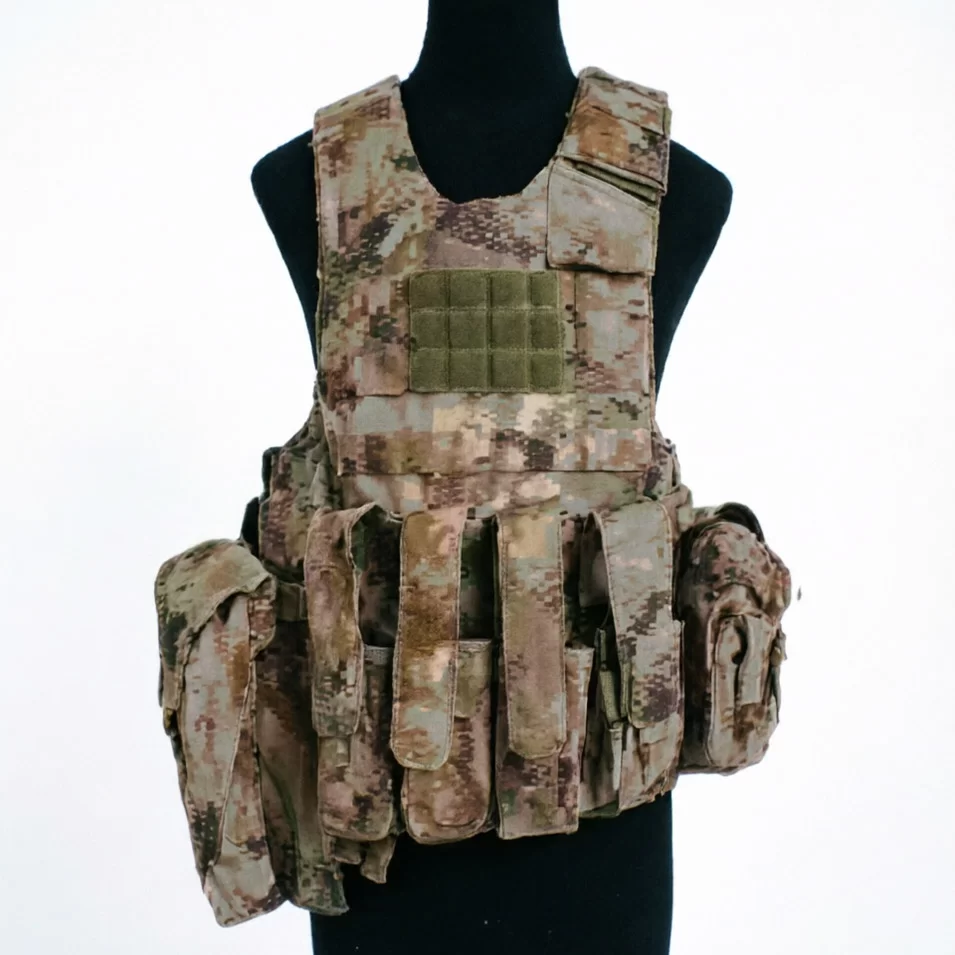
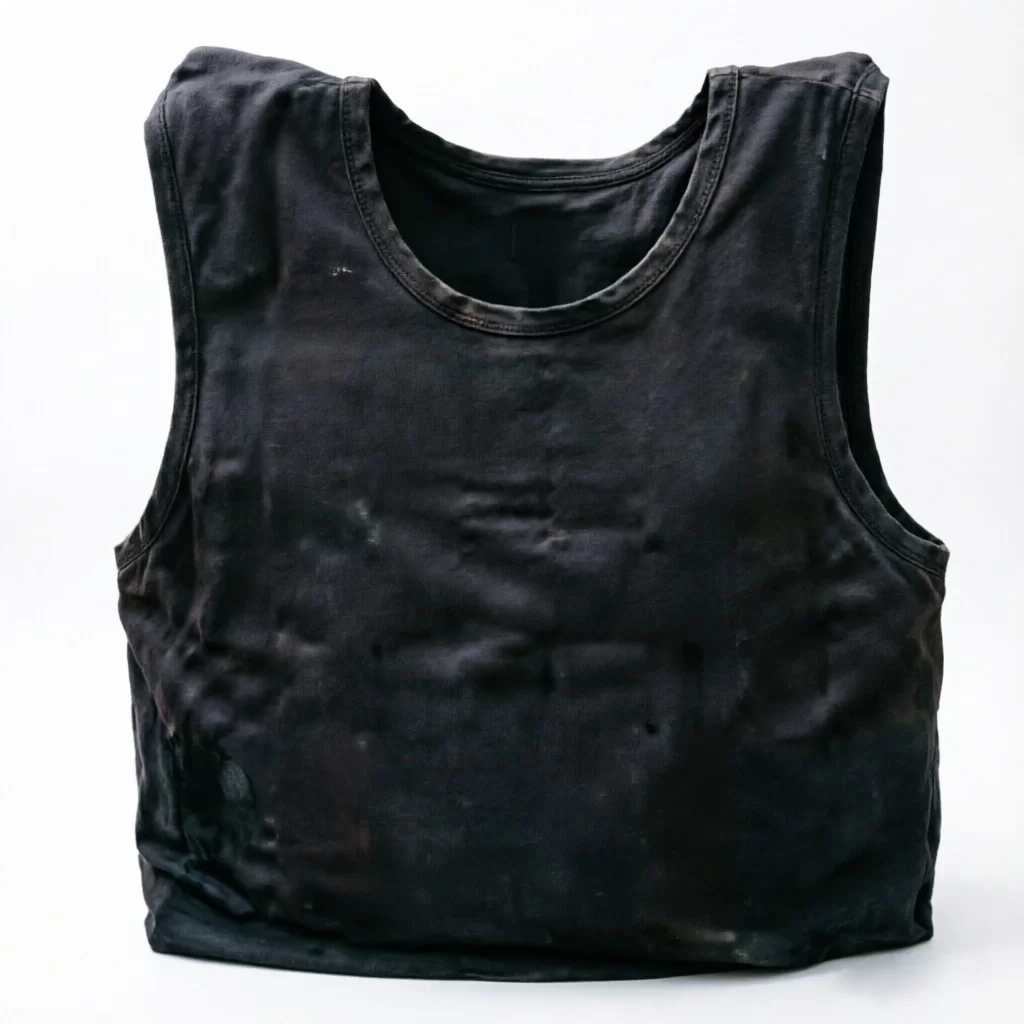
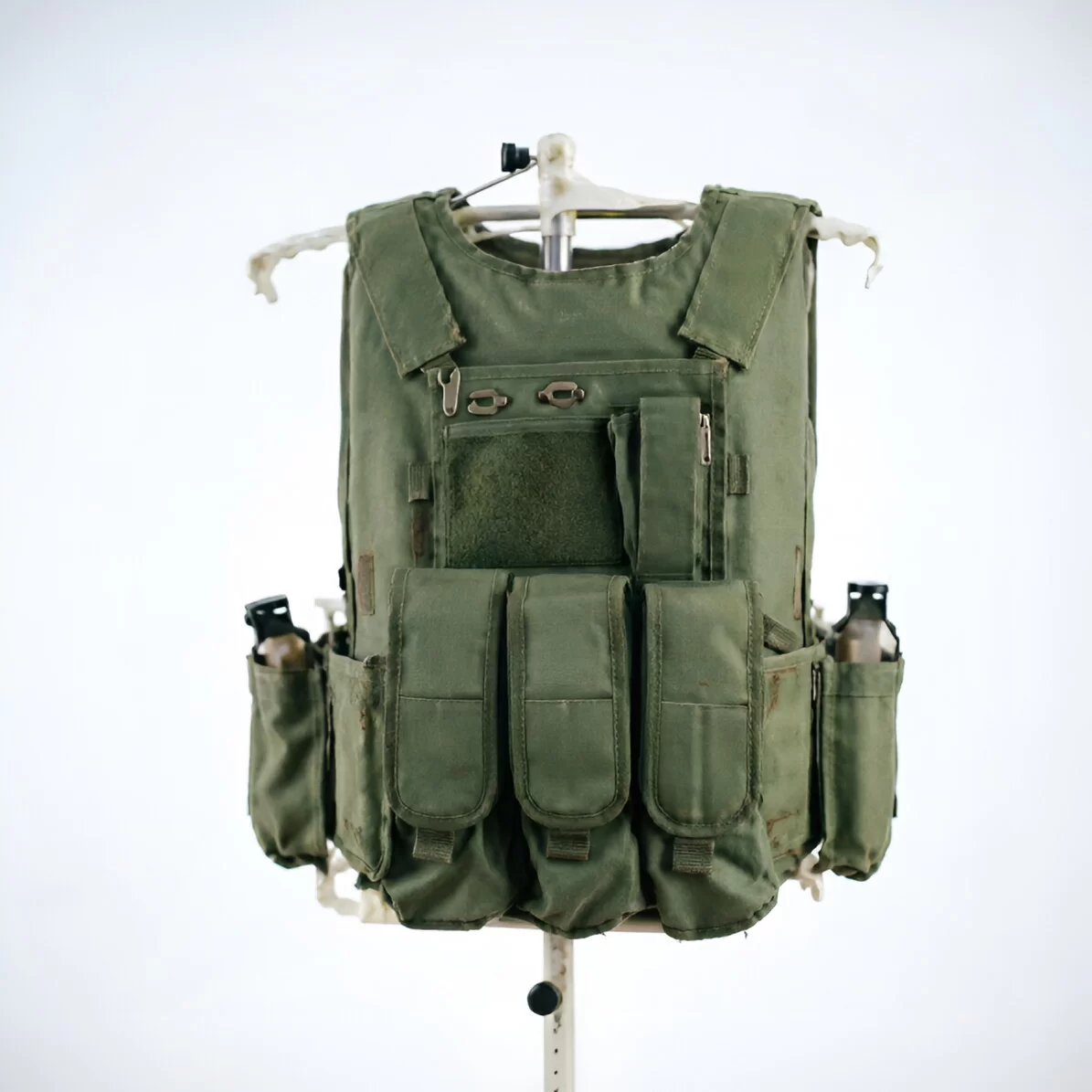
- Modern bulletproof vests are manufactured using advanced high-strength materials designed to absorb, disperse, and reduce the impact energy generated by bullets and ballistic threats. These protective systems are widely used by military personnel, law enforcement officers, private security teams, and tactical professionals who require reliable body armor in dangerous environments. With continuous advancements in ballistic technology, today’s tactical bulletproof vests are lighter, stronger, and more comfortable than traditional body armor systems.
- One of the most common materials used in ballistic vests is Kevlar aramid fiber. Kevlar is a high-strength synthetic fiber known for its exceptional tensile strength and lightweight performance. Multiple layers of woven Kevlar fabric work together to catch and deform bullets, spreading the impact force across a wider surface area. This helps reduce penetration and minimizes blunt force trauma to the wearer. Kevlar body armor is widely used in police vests, concealed body armor, and military tactical protection systems.
- For higher-level rifle protection, many military bulletproof vests incorporate hard armor plates made from ceramic composite materials. Ceramic plates are designed to break apart and absorb the energy of high-velocity rifle rounds, including armor-piercing ammunition. Common ceramic materials include alumina, silicon carbide, and boron carbide. These hard armor inserts are often combined with polyethylene backing materials to improve durability and multi-hit protection capability.
- Some tactical armor systems also use hardened steel ballistic plates for specialized applications. Steel armor plates provide excellent durability and multi-hit resistance, making them suitable for certain military and security operations. However, steel plates are generally heavier than ceramic or polyethylene alternatives, so modern tactical gear manufacturers increasingly focus on lightweight composite armor solutions.
- As tactical threats continue to evolve, modern bulletproof vest technology is becoming increasingly advanced. High-performance ballistic materials, lightweight armor systems, and ergonomic designs are helping military, law enforcement, and security professionals achieve better protection, mobility, and operational efficiency in high-risk environments worldwide.
Key Advantage of Stab Resistant Vest
-

 Reliable Protection Against Knife Attacks
 -

 Lightweight Construction for Daily Wear
 -

 Flexible Mobility During Tactical Operations
 -

 Concealable Protection for Discreet Security
 -

 Multi-Threat Defensive Capability
 -

 Enhanced Comfort and Breathability
 -

 Durable Materials for Long Service Life
 -

 Increased Confidence and Psychological Security
 -

 Adaptability for Various Security Industries