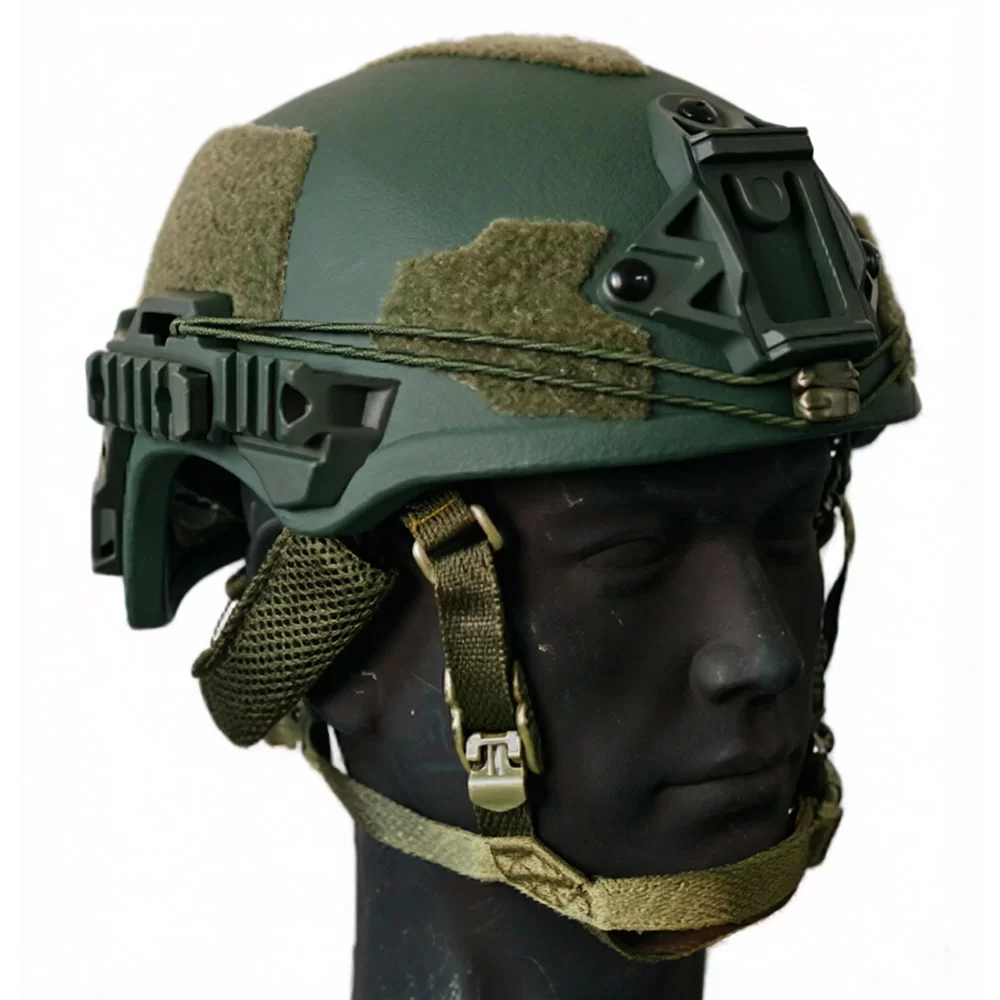
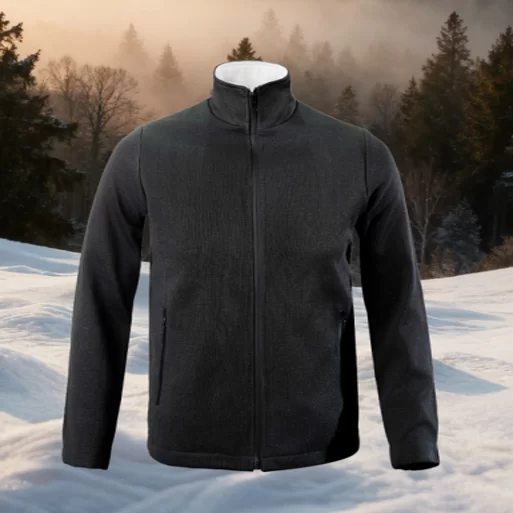
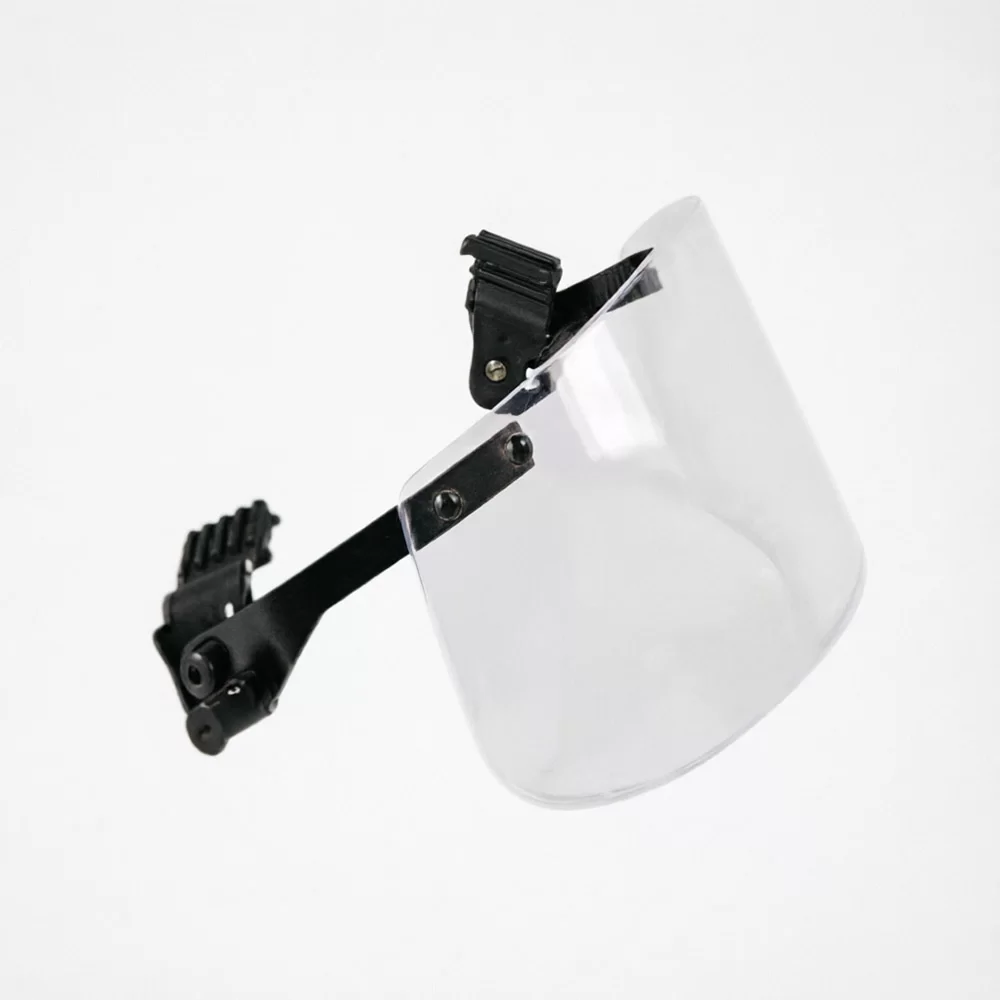
In an increasingly unpredictable world, the requirement for personal protection has evolved far beyond the traditional battlefield. While ballistic resistance often dominates the conversation regarding body armor, a more pervasive and frequent threat in civilian, law enforcement, and security sectors is the edged or pointed weapon. Anti-stab clothing has emerged as a critical innovation in personal protective equipment (PPE), designed to safeguard the wearer against knives, spikes, and improvised piercing instruments. Unlike ballistic vests, which are engineered to disperse the kinetic energy of a projectile, anti-stab garments must address the concentrated, structural pressure of a blade.

Understanding the Mechanics of Anti-Stab Clothing Engineering
To appreciate the complexity of anti-stab clothing, one must first understand the physics of a stab attack. A knife or a needle concentrates a significant amount of force into an infinitesimally small area—the tip of the blade. This creates immense pressure, measured in megapascals, which can easily shear through standard textile fibers like cotton, polyester, or even standard untuned Kevlar.
The engineering goal of anti-stab garments is twofold: penetration resistance and energy absorption. High-performance materials, such as specially woven aramids or Ultra-High-Molecular-Weight Polyethylene (UHMWPE), are treated or layered in a specific architecture to "catch" the tip of the blade. In many high-end models, the fabric is coated with microscopic ceramic particles or integrated with metallic foils that create a sacrificial barrier, dulling the point of the weapon upon impact and preventing the separation of the fabric weave.
The Critical Role of Material Science in Anti-Stab Clothing Development
The evolution of anti-stab clothing is inextricably linked to breakthroughs in material science. In the early days of stab protection, heavy chainmail or rigid steel plates were the only viable options. While effective, these were cumbersome, lacked breathability, and severely restricted the wearer's mobility.
Modern solutions prioritize "soft armor" technology. The industry currently relies on several key materials:
Para-Aramids: Fibers like Kevlar or Twaron are woven into incredibly tight matrices. These are often "non-ballistic" grades specifically tuned to resist the shearing action of a blade.
UHMWPE: This material offers a high strength-to-weight ratio. It is often used in laminated layers to provide a rigid yet lightweight barrier against spiked weapons.
Carbon Fiber Composites: Used primarily in rigid or semi-rigid inserts, these provide maximum protection against high-energy thrusts from heavy combat knives.
By layering these materials, manufacturers can create a multi-axial defense system that protects against both slashing (lateral movement) and stabbing (perpendicular force).
Tactical Versatility: Integrating Anti-Stab Clothing into Daily Uniforms
One of the greatest challenges in the adoption of anti-stab clothing has been wearer compliance. If a vest is too hot, too heavy, or too conspicuous, the user is less likely to wear it consistently. This has led to the rise of "concealable" stab-resistant solutions.
Modern anti-stab vests are often designed with ergonomic contours that mimic the human torso, allowing for a full range of motion. Innovations in "cool-mesh" liners and moisture-wicking carriers have addressed the issue of heat stress, making it possible for security personnel to wear protection for 12-hour shifts. Furthermore, the integration of anti-stab properties into everyday garments—such as tactical jackets, hoodies, or even business suits—allows undercover operatives and high-net-worth individuals to maintain a low profile while remaining protected against "crimes of opportunity."
The Security of the Supply Chain for Anti-Stab Clothing Production
As the demand for anti-stab clothing grows globally, the integrity of the supply chain becomes paramount. It is not enough to have a high-quality design; the manufacturing process must be consistent and verifiable. This is where companies like Dongguan Beishui Protective Equipment Co., Ltd. play a vital role.
In the production of life-saving equipment, ISO certifications like ISO 9001 (Quality Management) and ISO 28000 (Supply Chain Security) are indispensable. These certifications ensure that the raw materials used in the anti-stab layers are authentic and that the final product has not been tampered with during transit. Given that a single flaw in the weave of a stab-resistant panel can lead to a catastrophic failure, the vigilance of the supply chain partner is the silent guardian of the end-user.
Comparing Ballistic Vests vs. Specialized Anti-Stab Clothing
A common misconception is that a "bulletproof vest" automatically protects against knives. In reality, a standard Level IIIA ballistic vest is often surprisingly vulnerable to a sharp knife or a needle. This is because the "loose" weave of a ballistic vest is designed to catch a blunt-force object (a bullet) and flatten it, whereas a sharp blade can simply slide between the fibers.
To solve this, the industry has developed Dual-Purpose Armor. This equipment combines ballistic-resistant layers with anti-stab metallic or composite membranes. While these vests are slightly thicker and heavier, they provide the comprehensive protection required by modern police forces who face a diverse "multi-threat" landscape. Choosing between specialized anti-stab gear and dual-purpose armor depends entirely on the specific risk assessment of the mission.
The Next Generation of Anti-Stab Clothing Technology
The future of anti-stab clothing lies in the realm of nanotechnology and "smart" fabrics. Researchers are currently developing Shear Thickening Fluids (STF)—often referred to as "liquid armor." When these fluids are impregnated into a fabric, they remain flexible during normal movement. However, upon a high-velocity impact or a sharp strike, the molecules instantly lock together, turning the soft fabric into a rigid shield.
Additionally, the integration of sensors into anti-stab garments could soon allow command centers to receive real-time alerts if a vest is punctured or if a wearer’s vitals drop, enabling faster emergency response. As materials become lighter and stronger, the goal is to reach a point where anti-stab protection is indistinguishable from standard clothing, providing "invisible" security to everyone from delivery drivers to international diplomats.